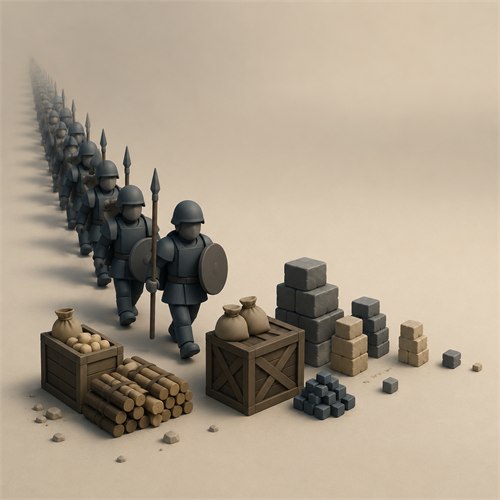
作戰
Waging War
Conflict is expensive. Win quickly, use resources carefully, and avoid wasting strength through delay.
Aliases
Waging War / 作戰 / Art of War Chapter 2
Domains
Strategy, leadership, planning, deception, competition
Chapter Focus
- Conflict is expensive. Win quickly, use resources carefully, and avoid wasting strength through delay.
- Alternate chapter title: Waging War
- Chinese chapter title: 作戰
- This chapter is grouped into three contextual rule cards while preserving the full traditional Chinese text.
Decisive Success
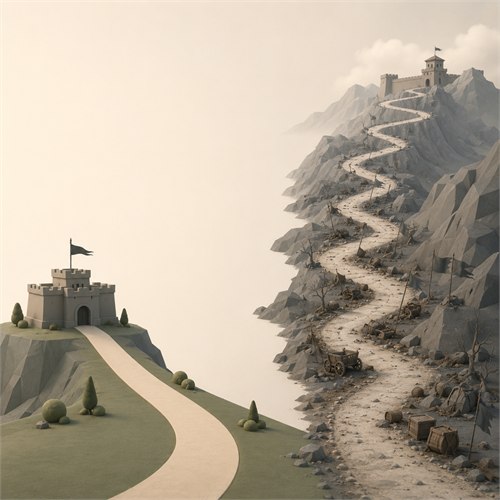
- Core idea: In conflict, value decisive success, not prolonged struggle.
- Meaning: Dragging things out is usually costly.
- Why it matters: Even a talented team weakens if it stays too long in a draining fight.
- How to apply: If a project dispute cannot be resolved cleanly, escalate early instead of letting it quietly consume months.
Original Text Explanation
孫子曰:凡用兵之法,馳車千駟,革車千乘,帶甲十萬,千里饋糧,則內外之費,賓客之用,膠漆之材,車甲之奉,日費千金,然後十萬之師舉矣。Sun Zi says that sending out a great army with chariots, armor, and long supply lines creates immense daily cost on every side.其用戰也貴勝,久則鈍兵挫銳,攻城則力屈,So in war, value a decisive result. If the campaign drags on, weapons dull, spirit falls, and siege work drains strength.久暴師則國用不足。A long campaign will exhaust the state's resources.夫鈍兵挫銳,屈力殫貨,則諸侯乘其弊而起,雖有智者,不能善其後矣。When strength, edge, and treasure are spent, other powers rise against that weakness, and even a wise leader may not be able to repair the aftermath.故兵聞拙速,未睹巧之久也。War may survive rough speed, but it does not reward elegant delay.夫兵久而國利者,未之有也。No country has truly gained by stretching war out for too long.故不盡知用兵之害者,則不能盡知用兵之利也。Only someone who fully understands war's damage can understand how to use it to advantage.
Draw from the Enemy
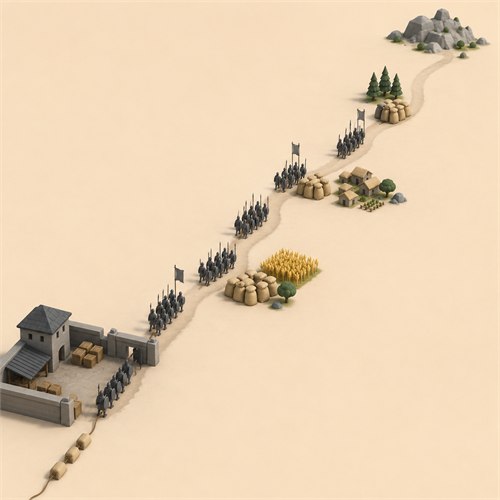
- Core idea: Start from your own base, but sustain yourself by drawing on the opponent's position.
- Meaning: Reduce your own burden by using what the environment already gives you.
- Why it matters: Strong strategy looks for leverage instead of carrying every cost yourself.
- How to apply: Use competitor mistakes, public data, and existing distribution channels instead of building every advantage from zero.
Original Text Explanation
善用兵者,役不再籍,糧不三載﹔A capable commander avoids repeated levies and does not keep rebuilding the supply burden again and again.取用于國,因糧于敵,故軍食可足也。Begin with support from home, then keep the army fed by drawing from the enemy.國之貧于師者遠輸,遠輸則百姓貧。When a state must send provisions over long distances, the people become poorer.近師者貴賣,貴賣則百姓竭,When armies mass nearby, prices rise, and rising prices drain the people.財竭則急於丘役。As wealth runs thin, heavy burdens and labor press harder on them.力屈、財殫,中原內虛于家。百姓之費,十去其七﹔公家之費:破軍罷馬,甲冑矢弩,戟盾蔽櫓,丘牛大車,十去其六。When strength and money are burned away, households are hollowed out and the treasury is consumed by broken equipment, horses, armor, weapons, shields, wagons, and draft animals.故智將務食于敵。食敵一鐘,當吾二十鐘﹔箕杆一石,當吾二十石。So a wise general looks first to enemy supplies, because what is taken there can spare many times the cost at home.故殺敵者,怒也﹔取敵之利者,貨也。To make soldiers strike hard, stir their anger; to make them value captured advantage, reward them.故車戰,得車十乘已上,賞其先得者,而更其旌旗,車雜而乘之,卒善而養之,When enemy chariots are taken, reward the first captors, replace the banners, put the vehicles into your own force, and treat captured soldiers well.是謂勝敵而益強。That is how defeating the enemy becomes added strength for your own side.
Commander Decides Safety
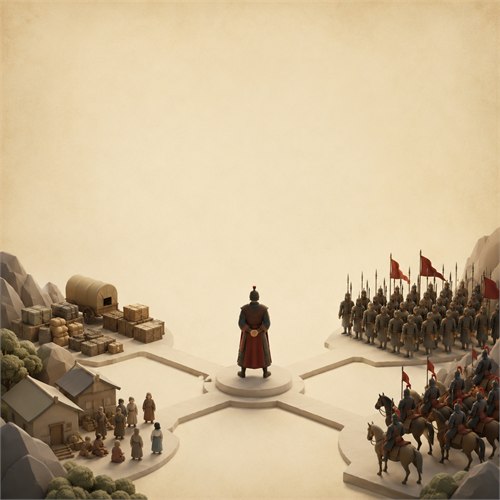
- Core idea: The commander who understands conflict determines the safety of the people and the state.
- Meaning: Leadership quality matters more under pressure than in ordinary times.
- Why it matters: Long conflict exposes weak judgment fast.
- How to apply: Put the most disciplined operator, not the loudest executive, in charge of crisis execution.
Original Text Explanation
故兵貴勝,不貴久。In war, seek decision, not endless duration.故知兵之將,民之司命,國家安危之主也。The commander who understands war holds the people's fate and the state's safety in his hands.
