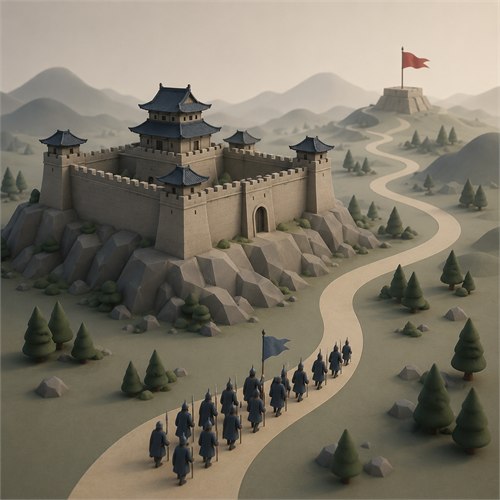
謀攻
Attack by Stratagem
The highest level of strategy wins by breaking plans, alliances, and confidence before brute force is needed.
Aliases
Attack by Stratagem / 謀攻 / Art of War Chapter 3
Domains
Strategy, leadership, planning, deception, competition
Chapter Focus
- The highest level of strategy wins by breaking plans, alliances, and confidence before brute force is needed.
- Alternate chapter title: Attack by Stratagem
- Chinese chapter title: 謀攻
- This chapter is grouped into three contextual rule cards while preserving the full traditional Chinese text.
Win Without Fighting
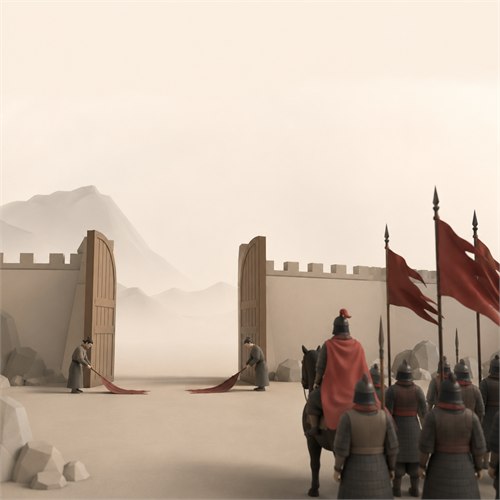
- Core idea: The highest form of skill is to make the other side yield without fighting.
- Meaning: The best win is the one that costs the least.
- Why it matters: If you can make resistance look pointless, you save time, money, and energy.
- How to apply: Frame a proposal so clearly around the other side's incentives that they choose your direction themselves.
Original Text Explanation
孫子曰:凡用兵之法,全國為上,破國次之﹔全軍為上,破軍次之﹔全旅為上,破旅次之﹔全卒為上,破卒次之﹔全伍為上,破伍次之。Sun Zi says the highest result is to take the enemy's state, army, formations, and units intact rather than smash them apart.是故百戰百勝,非善之善也﹔不戰而屈人之兵,善之善者也。Winning every battle is not the peak of skill; the peak is making the enemy submit before battle is necessary.故上兵伐謀,其次伐交,其次伐兵,其下攻城。攻城之法為不得已。So the best attack breaks plans, next alliances, next armies, and only last comes the assault on cities.修櫓轒轀]、具器械、三月而後成,距闉,又三月而後已。Siege is a last resort because the shields, engines, and earthworks take months to prepare.將不勝其忿,而蟻附之,殺士三分之一,而城不拔者,此攻之災也。If a commander loses patience and throws men at the walls, many die and the city may still remain untaken. That is the disaster of siege.故善用兵者,屈人之兵而非戰也。拔人之城而非攻也,破人之國而非久也,The skilled commander bends enemy troops without pitched battle, takes cities without storming them, and breaks a state without dragging the war out.必以全爭于天下,故兵不頓,而利可全,此謀攻之法也。By contesting for mastery while keeping his own force intact, he avoids wasting the army and can secure the whole gain. That is the method of attacking by stratagem.
Attack Plans First
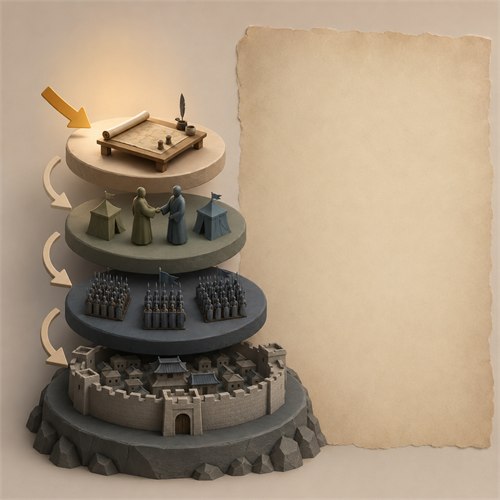
- Core idea: First attack plans, then alliances, then armies; siege is the worst option.
- Meaning: Go after the system behind the problem, not only the visible surface.
- Why it matters: The later you act, the more expensive the solution becomes.
- How to apply: Break a competitor's supply partnership or narrative advantage before trying to outspend them directly.
Original Text Explanation
故用兵之法,十則圍之,五則攻之,倍則分之,As a rule, if your force is ten times larger, surround; if five times, press the attack; if twice as large, split his attention.敵則能戰之,少則能逃之,不若則能避之。If matched, you can fight; if smaller, keep clear; if far weaker, avoid the clash.故小敵之堅,大敵之擒也。A smaller force may resist stubbornly, but a much larger one will eventually take it.夫將者,國之輔也。輔周則國必強,輔隙則國必弱。The general is the state's support: if that support is sound, the state grows strong; if it is cracked, the state grows weak.故君之所以患于軍者三:A ruler can damage his army in three ways:不知軍之不可以進而謂之進,不知軍之不可以退而謂之退,是為縻軍﹔one is ordering advance or retreat without understanding whether the army can actually do it; that binds the army's hands.不知三軍之事,而同三軍之政者,則軍士惑矣﹔三軍既惑且疑,another is trying to govern an army with civilian habits of rule, which confuses the troops;不知三軍之權,而同三軍之任,則軍士疑矣。a third is assigning command without understanding how military responsibility must fit circumstances, which breeds doubt in the ranks.則諸侯之難至矣,是謂亂軍引勝。Once troops are confused and distrustful, outside rivals seize the chance. That is how disorder inside an army throws victory away.
Know When to Fight
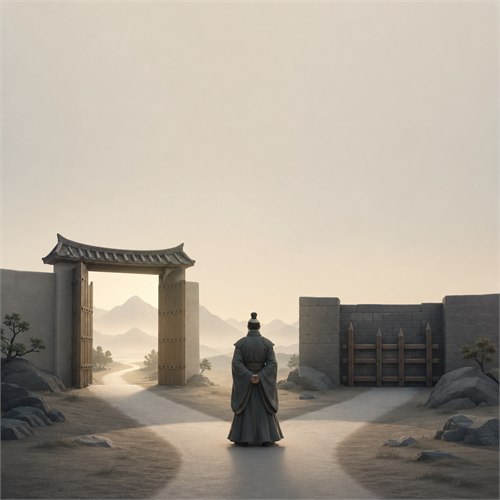
- Core idea: The one who knows when to fight and when not to fight will win.
- Meaning: Good strategy includes refusal.
- Why it matters: Not every opportunity deserves engagement.
- How to apply: Decline a feature race that drains the team and does not strengthen the product's real position.
Original Text Explanation
故知勝有五:知可以戰與不可以戰者勝,識眾寡之用者勝,上下同欲者勝,以虞待不虞者勝,將能而君不御者勝。此五者,知勝之道也。We can name five conditions of victory: knowing when to fight or refrain, using large and small forces properly, keeping the ranks aligned in purpose, being prepared while the enemy is unprepared, and letting a capable commander operate without interference.故曰:知己知彼,百戰不貽﹔不知彼而知己,一勝一負﹔不知彼不知己,每戰必貽。So if you know both yourself and the enemy, repeated battles need not frighten you. If you know only yourself, wins and losses will alternate. If you know neither, defeat will keep returning.
