虚实
虚と実
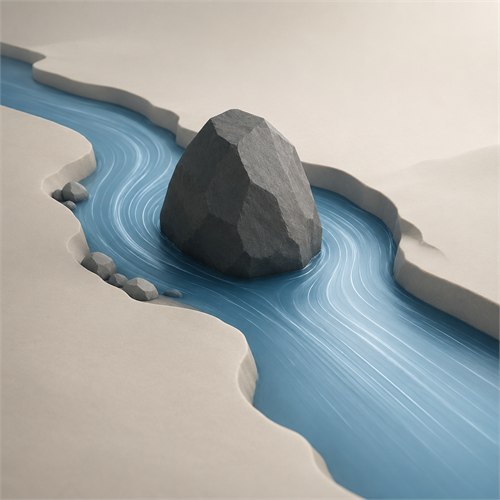
相手を制御し、自らは予測不可能なまま、相手の弱い部分を突け。
別名
虚实;《孫子兵法・虚实》
分野
戦略 / リーダーシップ / 計画 / 欺き / 競争
章の要旨
- 相手を制御し、自らは予測不可能なまま、相手の弱い部分を突け。
- 他の章名: 虚と実
- 中国語の章名: 虚实
- このページでは、同じ章から選ばれた3つの重要ポイントを取り上げる。
ポイント6.1
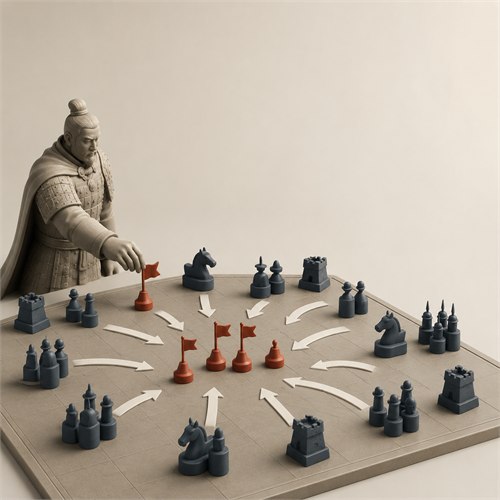
- 核となる考え: 他者を従わせ、他者に従わされない。
- 意味: テンポを自ら制御せよ。
- 重要な理由: 議題を制する者が、通常は圧力をも制する。
- 生かし方: 自らの製品ロードマップのテンポを設定し、競合に反応させる側に回らせよ。
原文解説
孫子曰:凡先處戰地而待敵者佚,後處戰地而趨戰者勞。孫子は言う。戦場に最初に到着して待つ軍は元気である。後から到着して突撃する軍は疲弊している。故善戰者,致人而不致于人。したがって、巧みな指揮官は敵に答えさせ、敵に自らの動きを支配させない。能使敵自至者,利之也﹔能使敵不得至者,害之也。利益を提供して敵を引き寄せることもできるし、損失を脅して遠ざけることもできる。故敵佚能勞之,飽能飢之,安能動之。敵が休んでいるなら消耗させ、食べているなら飢えさせ、落ち着いているなら動かせ。出其所不趨,趨其所不意。敵が急いで防御しなければならない場所に現れ、敵が全く予期しない方向へ向かえ。行千里而不勞者,行于無人之地也。敵が待ち受けていない場所を通るなら、部隊は千里を進んでも疲れない。攻而必取者,攻其所不守也。守而必固者,守其所不攻也。守られていないものを攻撃して取ることで攻め、容易に攻撃されないものを確保して守ることで守る。故善攻者,敵不知其所守。善守者,敵不知其所攻。差配の巧みな攻撃者は、敵に何を防ぐべきかを迷わせる。巧みな防御者は、敵に何を攻めるべきかを迷わせる。微乎微乎,至于無形,神乎神乎,至于無聲,故能為敵之司命。目に見える形を残さぬほど微妙になり、音の残る痕跡を残さぬほど静かになれば、敵の運命を握ることができる。進而不可御者,沖其虛也﹔退而不可追者,速而不可及也。空虚へ突入することで進攻を止めさせ、敵が追えないほど速く撤退することで追撃を逃れよ。故我欲戰,敵雖高壘深溝,不得不與我戰者,攻其所必救也﹔戦いたい場合、敵が高い城壁と深い堀の後ろにいても、守らなければならないところを打てば追い出すことができる。我不欲戰,雖畫地而守之,敵不得與我戰者,乖其所之也。戦いたくない場合、わずかに目立つ位置でも、敵の進路を混乱させて妨害すれば戦わせずに済む。
ポイント6.2
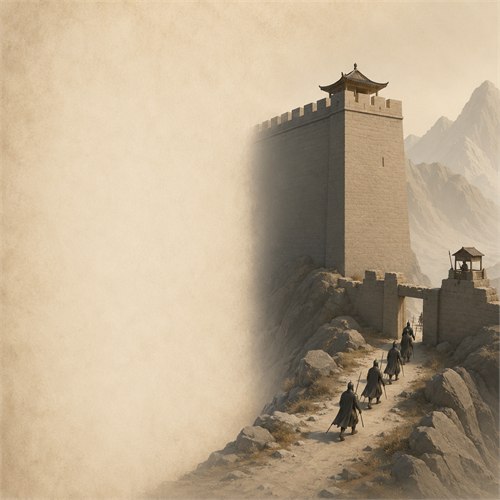
- 核となる考え: 攻めれば必ず取れるのは、相手が守っていない所を攻めるからである。
- 意味: 最も強固な壁を攻めるな。
- 重要な理由: 最も容易な突破口は、しばしば相手が交戦を予想していなかった場所にある。
- 生かし方: 巨大企業の本拠地で挑むのではなく、見過ごされている顧客層から市場に参入せよ。
原文解説
故形人而我無形,則我專而敵分﹔敵に自分の形を見せることなく、相手の形を見せることができれば、私は集中したままで相手は分散せざるを得ない。我專為一,敵分為十,是以十攻其一也,則我眾而敵寡﹔私が一つに留まり、敵を十に分けさせれば、私の多勢が彼の少数に集中できる。能以眾擊寡者,則吾之所與戰者,約矣。大軍が孤立した少数部隊に当たれば、敵は激しく圧迫される。吾所與戰之地不可知,不可知,則敵所備者多,敵所備者多,則吾之所戰者,寡矣。戦場の場所を秘すれば、敵は多くの地点で備えねばならず、各地点が手薄になる。故備前則後寡,備後則前寡,故備左則右寡,備右則左寡,無所不備,則無所不寡。前を強化すれば後ろが薄くなり、後ろを強化すれば前が薄くなる。左を守れば右が薄くなり、右を守れば左が薄くなる。全てを守れば、全てが弱くなる。寡者備人者也,眾者使人備己者也。所持する兵力が少ないのは敵に備えるからであり、豊富であるのは敵に備えさせるからである。故知戰之地,知戰之日,則可千里而會戰。戦う場所と日を知れば、遠くから兵力を集めることができる。不知戰之地,不知戰之日,則左不能救右,右不能救左,前不能救後,後不能救前,而況遠者數十里,近者數里乎?場所も日も知らなければ、左は右を救えず、右は左を救えず、前は後ろを救えず、後ろは前を救えない。距離が近くても同じである。以吾度之,越人之兵雖多,亦奚益于勝敗哉?故曰:勝可為也。私の見積もりでは、岳の軍が多くても、それだけでは勝利の可能性を増すことはない。敵雖眾,可使無鬥。故策之而知得失之計,数が多くても、敵を戦わせないようにすることができる。敵を探って、彼の計画が得か損かを学べ。作之而知動靜之理,形之而知死生之地,敵を動かして、彼の動きや静止の仕方を学べ。自身を見せて、どの地形が彼にとって生死を分けるかを知れ。角之而知有餘不足之處。敵を自分自身と比べて試し、彼の過不足を見極めよ。故形兵之極,至于無形﹔無形,則深間不能窺,智者不能謀。配置の最高の形は無形に達する。形が見えなければ、深いスパイも探れず、賢い者もそれに対して策を図れない。因形而錯勝于眾,眾不能知﹔勝利は敵の配置から形作ることができるが、大衆はその方法を理解しない。人皆知我所以勝之形,而莫知吾所以制勝之形。人々は私が勝つ見える方法は見えるが、勝利が形成された深い形は見ていない。故其戰勝不復,而應形于無窮。だから、同じ勝利の方法を繰り返すな。状況に応じて、応答を限りなく変化させよ。
ポイント6.3
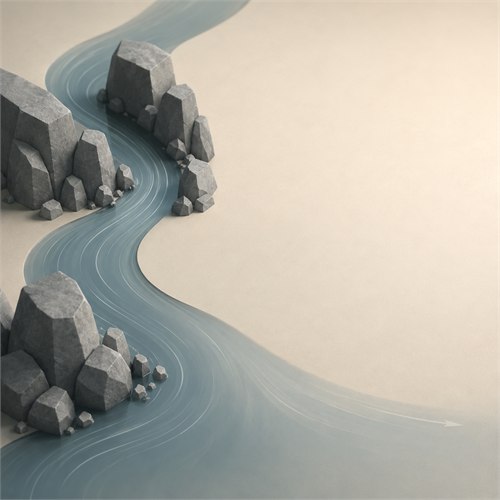
- 核となる考え: 軍の形は水に似ており、堅実な部分を避けて空虚な部分を撃つ。
- 意味: 堅実な部分を避け、弱い部分へと流れよ。
- 重要な理由: 戦略は、最も抵抗の少ない経路をたどる時に最もよく機能する。
- 生かし方: より大きな競合と機能ごとに競うのではなく、満たされていない需要に供給を向けよ。
原文解説
夫兵形象水,水之形避高而趨下,軍隊の形は水に似るべきである:水は高い所から遠ざかり、低い所へ流れる。兵之形,避實而擊虛,したがって戦争では、固いものを避け、空虚なものを打て。水因地而制流,兵應敵而制勝。水は地形に応じて流れを変えるように、軍隊は敵に応じて勝利の形を整える。故兵無常勢,水無常形,水が固定した形を持たないように、戦争にも固定したパターンはない。能因敵變化而取勝者,謂之神。敵に合わせて変化しつつ勝つことができる者は、ほとんど神に等しいと呼ばれるに値する。故五行無常,勝四時無常位,日有短長,月有死生。五行は永遠に同じ支配をするわけではなく、四季は入れ替わり、日々は長くなったり短くなったりし、月は満ち欠けする。
