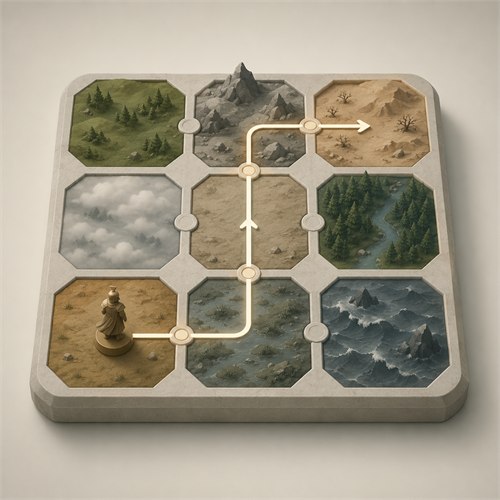
九地
아홉 가지 상황
다른 상황은 다른 대응을 요구한다. 리더는 자신이 어떤 종류의 땅에 서 있는지 명확히 보아야 한다.
별칭
아홉 가지 상황 / 《손자병법·九地》
분야
전략, 리더십, 계획, 기만, 경쟁
장의 핵심
- 다른 상황은 다른 대응을 요구한다. 리더는 자신이 어떤 종류의 땅에 서 있는지 명확히 보아야 한다.
- 다른 장 이름: 아홉 가지 상황
- 중국어 장 이름: 九地
- 이 페이지는 같은 장에서 선택한 세 가지 핵심 요점을 다룬다.
요점 11.1
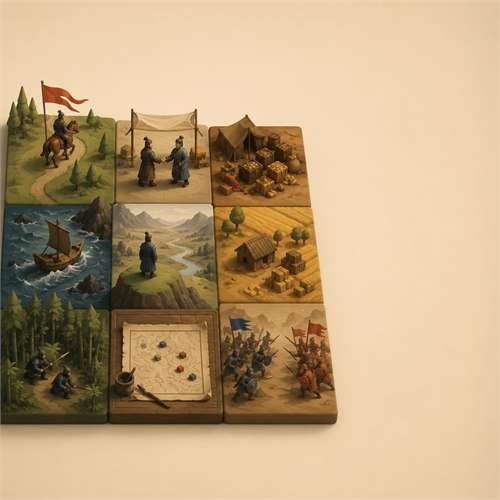
- 핵심 아이디어: 분산지에서는 싸우지 말고, 경지에서는 멈추지 말며, 쟁지에서는 정면으로 공격하지 말고, 교지에서는 끊지 말며, 구지에서는 동맹을 맺고, 중지에서는 약탈하며, 비지에서는 계속 움직이고, 위지에서는 계책을 꾸미며, 사지에서는 싸워라.
- 의미: 하나의 대응이 모든 상황에 맞지는 않는다.
- 왜 중요한가: 환경이 운영 방식을 결정해야 한다.
- 적용 방법: 신규 시장, 경쟁이 치열한 시장, 위기 상황의 시장, 철수 단계의 시장마다 서로 다른 전략을 적용하라.
원문 해설
孫子曰:用兵之法,有散地,有輕地,有爭地,有交地,有衢地,有重地,有圮地,有圍地,有死地。손자는 전쟁에는 아홉 가지 지형이 있다고 말한다: 분산지, 유리지, 쟁투지, 개방지, 교차지, 중지, 난지, 협지, 그리고 절지.諸侯自戰其地,為散地。군주가 자신의 토지에서 싸울 때, 그 지형은 분산지이다.入人之地不深者,為輕地。적국에 들어갔으나 깊이 들어가지 않은 경우, 그 지형은 유리지이다.我得則利,彼得亦利者,為爭地。어느 한쪽에게 큰 이점을 주는 땅은 쟁투지이다.我可以往,彼可以來者,為交地。양쪽 모두 자유롭게 이동할 수 있는 땅은 개방지이다.諸侯之地三屬,先至而得天下眾者,為衢地。여러 이웃 국가를 연결하여 처음 점령한 자가 넓은 영향력을 가질 수 있는 땅은 교차지이다.入人之地深,背城邑多者,為重地。군대가 적국 깊숙이 들어가고 뒤에 요새화된 도시를 남겨두었다면, 그 지형은 중지이다.山林、險阻、沮澤,凡難行之道者,為圮地。산림, 가파른 능선, 습지 등 어려운 지형은 난지이다.所從由入者隘,所從歸者迂,彼寡可以擊我之眾者,為圍地좁은 접근로로 도달하고 구불구불한 출구로만 빠져나갈 수 있으며, 소수의 적이 더 큰 군대를 격파할 수 있는 땅은 협지이다.疾戰則存,不疾戰則亡者,為死地。즉각적인 전투만이 생명을 구할 수 있는 땅은 절지이다.是故散地則無戰,輕地則無止,爭地則無攻,따라서 분산지에서는 싸우지 말라. 유리지에서는 멈추지 말라. 쟁투지에서는 정면으로 공격하지 말라.衢地則合交,개방지에서는 적의 길을 막으려 하지 말라. 교차지에서는 동맹을 강화하라.重地則掠,圮地則行,중지에서는 땅에서 식량을 확보하라. 난지에서는 계속 움직여라.圍地則謀,死地則戰。협지에서는 계략을 써라. 절지에서는 싸워라.
요점 11.2
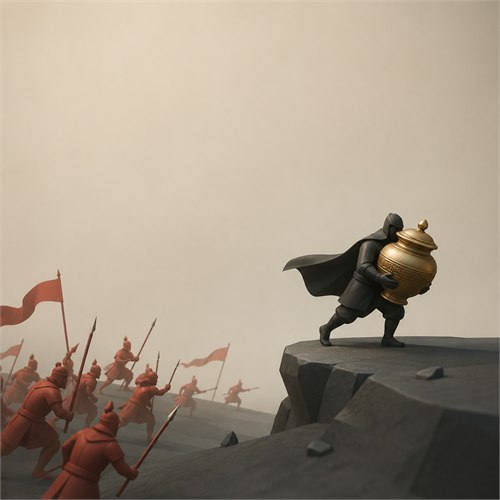
- 핵심 아이디어: 먼저 적이 가장 아끼는 것을 빼앗으면, 그들은 따르게 될 것이다.
- 의미: 상대가 가장 소중히 여기는 것에 압박을 가하라.
- 왜 중요한가: 사람들은 자신이 아끼는 것이 위협받을 때 가장 빠르게 행동한다.
- 적용 방법: 경쟁자가 당신의 메시지를 무시한다면, 그들이 잃을 수 없는 고객 세그먼트나 파트너를 노려라.
원문 해설
所謂古之善用兵者,能使敵人前後不相及,眾寡不相恃,貴賤不相救,上下不相收,옛날의 능숙한 지도자들은 적의 전방과 후방 사이에 쐐기를 박고, 대소 부대 간의 협조를 차단하며, 장교와 병사가 서로를 회복하지 못하게 하는 방법을 알았다.卒離而不,兵合而不齊。적이 단결했을 때는 그를 혼란스럽게 하는 방법을 알았다.合于利而動,不合于利而止。유리할 때는 진격하고, 불리할 때는 정지한다.敢問:“敵眾整而將來,待之若何?”曰:“先奪其所愛,則聽矣。”정돈되어 공격할 준비가 된 거대한 적군을 상대하는 법을 묻는다면, 나는 이렇게 말하겠다: 상대가 소중히 여기는 것을 빼앗으면, 그는 당신의 의지에 반응할 것이다.兵之情主速,乘人之不及,由不虞之道,攻其所不戒也。속도가 전쟁의 본질이다. 준비되지 않은 틈을 이용하고, 예상치 못한 길을 가며, 지켜지지 않은 곳을 공격하라.凡為客之道:深入則專,主人不克。침략군의 규칙은 이렇다: 깊이 들어갈수록 병사들이 더 단결하고, 방어군은 그들을 이기지 못한다.掠于饒野,三軍足食。군대가 스스로 식량을 공급할 수 있도록 비옥한 지역에서 식량을 구하라.謹養而勿勞,并氣積力,運并計謀,為不可測。병사들의 복지를 주의 깊게 살피고, 그들에게 과중한 부담을 주지 않으며, 에너지를 모으고, 힘을 아끼고, 군대를 움직이게 하고, 누구도 간파할 수 없는 계획을 세워라.
요점 11.3
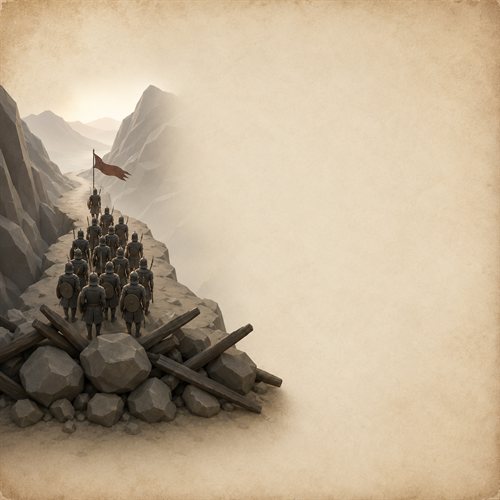
- 핵심 아이디어: 그들을 멸망의 땅에 던지면 비로소 살아남고, 사지에 빠뜨리면 비로소 살게 된다.
- 의미: 절박함은 힘을 집중시킨다.
- 왜 중요한가: 빠져나가기가 너무 쉬우면 실행은 느슨해진다.
- 적용 방법: 핵심 팀에게 끝없는 선택적 반복이 아니라 명확한 마감일과 명확한 결과를 부여하라.
원문 해설
投之無所往,死且不北死焉不得,士人盡力。탈출이 불가능한 곳에 병사들을 배치하면, 그들은 도망치기보다 죽음을 선택할 것이다. 일단 죽음을 받아들이면, 그들이 할 수 없는 것은 없다. 장교와 병사들 모두 전력을 다한다.兵士甚陷則不懼,無所往則固,深入則拘,不得已則鬥。절박한 상황에서 병사들은 두려움을 잃는다. 피할 곳이 없으면, 그들은 굳건히 선다. 적국에서는 단단해진다. 선택의 여지가 없으면, 그들은 더욱 격렬히 싸운다.是故其兵不修而戒,不求而得,不約而親,不令而信。따라서 모이기를 기다리지 않고 경계하며, 청하지 않아도 당신의 뜻을 수행하고, 압력이 없어도 충성하며, 반복된 명령이 없어도 신뢰할 수 있다.禁祥去疑,至死無所之。길조와 미신적 망설임을 금지하라. 그러면 죽음이 올 때까지 두려워할 것은 없다.吾士無餘財,非惡貨也﹔無餘命,非惡壽也。병사들이 재물에 집착하지 않는 것은 부를 싫어해서가 아니다. 생명에 지나치게 집착하지 않는 것은 삶을 경멸해서가 아니다.令發之日,士卒坐者涕沾襟,偃臥者淚交頤。投之無所往者,諸、劌之勇也。전장에 보내지는 날, 그들은 공개적으로 울 수 있다. 그러나 궁지에 몰리면, 그들은 맹렬한 용기를 보일 것이다.故善用兵者,譬如率然。率然者,常山之蛇也。擊其首則尾至,擊其尾則首至,擊其中則首尾俱至。능숙한 전술가는 슈아이젠(Shuai-jan, 머리를 치면 꼬리로 치고, 꼬리를 치면 머리로 치고, 중간을 치면 양쪽으로 치는 산뱀)에 비유할 수 있다.敢問:“兵可使如率然乎?”曰:“可。”夫吳人與越人相惡也,當其同舟而濟,遇風,其相救也,如左右手。이런 군대를 만들 수 있을까? 가능하다. 오나라와 월나라 사람들은 적이었지만, 폭풍 속에서 같은 배를 탄다면, 왼손이 오른손을 돕듯 서로를 구할 것이다.是故方馬埋輪,未足恃也。따라서 말들을 단단히 매거나 전차 바퀴를 묻는 것만으로 병사들을 안정시키는 것은 충분하지 않다.齊勇如一,政之道也,진정한 방법은 모든 사람에게 하나의 공통된 용기의 기준을 세우는 것이다.剛柔皆得,地之理也。강약군을 모두 잘 활용하는 것은 지형을 올바르게 사용하는 데 달려 있다.故善用兵者,攜手若使一人,不得已也。이것이 능숙한 장군이 한 사람의 손을 잡고 강제로 이끌 듯 군대를 지휘하는 이유이다.將軍之事:靜以幽,正以治。장군의 일은 은밀하게 하여 비밀을 지키고, 공정하고 정의롭게 하여 질서를 유지하는 것이다.能愚士卒之耳目,使之無知。그는 자신의 장교와 병사들조차 외형과 보고로 혼란스럽게 하여 전체 계획을 보지 못하게 해야 한다.易其事,革其謀,使人無識。易其居,迂其途,使人不得慮。배치를 바꾸고 계획을 변경함으로써 적이 명확한 정보를 얻지 못하게 한다. 진영을 이동하고 간접 경로를 택함으로써 목적을 예측하지 못하게 한다.帥與之期,如登高而去其梯。帥與之深入諸侯之地,而發其機,결정적인 순간에, 지휘관은 마치 높은 곳에 올라 사다리를 뒤로 걷어찬 사람처럼 행동한다. 그는 자신의 손을 완전히 드러내기 전에 병사들을 적국 깊숙이 몰아넣는다.焚舟破釜,若驅群羊。驅而往,驅而來,莫知所之。배를 태우고 솥을 부순다. 목동이 무리를 몰듯, 군대를 원하는 곳으로 몰며 병사들은 목적지를 모른다.聚三軍之眾,投之于險,此謂將軍之事也。병력을 집결시키고 위험한 상황에 배치하는 것은 장군의 일로 불릴 수 있다.九地之變,屈伸之力,人情之理,不可不察也。아홉 가지 땅의 대량, 공격과 방어의 선택, 인간 본성의 고정된 법칙 등은 모두 신중히 연구되어야 할 사항들이다.凡為客之道:深則專,淺則散。침공에서 일반적인 규칙은 이렇다: 깊은 침투는 응집력을 가져오고, 얕은 침투는 분산을 가져온다.去國越境而師者,絕地也﹔四達者,衢地也﹔자국을 떠나 군대와 함께 이웃 국경을 넘으면 매우 중요한 상황에 들어선 것입니다. 사방 모두에 노선이 열려 있는 구장은 교차하는 구간입니다.入深者,重地也﹔入淺者,輕地也﹔한 나라 깊숙이 진입하면 진지한 땅에 있는 것이다. 조금 들어가면 쉽게 들어갈 수 있습니다.背固前隘者,圍地也﹔無所往者,死地也。적의 요새가 뒤에 있고 좁은 길이 앞에 있다면, 당신은 포위된 땅에 놓인 것입니다. 피난처가 전혀 없다면, 당신은 절박한 상황에 서 있는 것입니다.是故散地,吾將一其志﹔輕地,吾將使之屬﹔그래서 분산된 땅에서 나는 내 부하들의 목적을 하나로 묶으려 한다. 쉬운 상황에서는 군대의 모든 부대를 긴밀히 연결해 두겠습니다.爭地,吾將趨其後﹔논쟁이 많은 땅에서는 서둘러 앞으로 나섰다.交地,吾將謹其守﹔衢地,吾將固其結﹔탁 트인 땅에서는 조심스럽게 지킬 것이다. 교차하는 지역에서는 동맹을 통합할 것입니다.重地,吾將繼其食﹔圮地,吾將進其途﹔진지한 지형에서는 보급품을 계속 공급할 것이다. 어려운 땅에서는 계속 나아갈 것이다.圍地,吾將塞其闕﹔死地,吾將示之以不活。나는 후퇴로를 막았다. 절박한 상황에서는 군인들에게 생존은 오직 싸움에만 있다는 것을 보여주고 싶습니다.故兵之情:圍則御,不得已則鬥,過則從。군인의 자연스러운 반응은 포위되면 완강히 저항하고, 포위되면 격렬히 싸우며, 깊은 위험에 처했을 때는 빠르게 복종하는 것이다.是故不知諸侯之謀者,不能預交。不知山林、險阻、沮澤之形者,不能行軍。不用鄉導,不能得地利。우리는 이웃 통치자들의 의도를 알기 전까지는 동맹을 맺을 수 없다. 우리는 나라의 산, 숲, 위험, 습지, 습지를 알기 전까지는 군대를 이끌고 행군할 수 없습니다. 그리고 현지 가이드 없이는 땅을 잘 활용할 수 없습니다.四五者,不知一,非霸、王之兵也。지배에 적합한 통치자는 이 중 단 하나도 무시할 수 없다.夫霸、王之兵,伐大國,則其眾不得聚﹔威加于敵,則其交不得合。이런 통치자가 대국을 공격할 때, 그의 기술은 적의 병력 집중을 막는 데 있다. 그는 상대를 압도하고 그들의 동료들이 합병하지 못하게 막는다.是故不爭天下之交,不養天下之權,信己之私,威加于敵,則其城可拔,其國可隳그래서 그는 하늘의 모든 동맹을 쫓거나 다른 나라들의 권력을 키우지 않는다. 그는 자신의 숨겨진 계획을 따르고, 경쟁자들을 두려움에 떨게 하여 그들의 도시를 점령하고 왕국을 무너뜨릴 수 있다.施無法之賞,懸無政之令,犯三軍之眾,若使一人。일반적인 규칙 밖에서 보상을 주고 통상적인 절차 밖에서 명령을 내리면, 군대 전체를 한 사람처럼 다룰 수 있습니다.犯之以事,勿告以言。犯之以利,勿告以害。병사들을 실제 상황 앞에 두되, 모든 설계를 말로 설명하지 말라. 밝을 때 이득을 보여줘; 어두운 면을 짐으로 지우지 마세요.投之亡地然後存,陷之死地然後生。군대를 치명적인 땅에 던져도 살아남을 것이다. 절박한 어려움에 몰아넣으면 안전을 찾을 수 있습니다.夫眾陷于害,然後能為勝敗。군대가 위험에 처했을 때에만 승리를 위해 공격할 수 있다.故為兵之事,在于佯順敵之意,전쟁에서의 성공은 적의 상황과 경향에 자신을 신중히 맞추는 데서 나온다.并敵一向,千里殺將,하나의 결정적인 전선에서 적을 강하게 압박하면, 결국 멀리서 그의 지휘관을 쓰러뜨릴 수 있다.是謂巧能成事者也。이것이 교묘한 기술로 임무를 완수하는 의미이다.是故政舉之日,夷關折符,無通其使﹔지휘를 맡는 날에는 국경 관문을 봉쇄하고, 관직의 패를 부수며, 사자의 통행을 막아라.勵于廊廟之上,以誅其事。회의에서는 엄격해야 전체 일을 통제할 수 있다.敵人開闔,必亟入之,적이 틈을 내면, 그 틈으로 돌진하라.先其所愛,微與之期。그가 가장 소중히 여기는 것을 먼저 차지하여, 그의 움직임의 시기를 조용히 조율하라.踐墨隨敵,以決戰事。규칙이 정한 길을 따르고, 적에 맞추어 자신을 적응시킨 뒤에야 전투를 결정하라.是故始如處女,敵人開戶,後如脫兔,敵不及拒。처음에는 적이 문을 열 때까지 처녀처럼 조심스럽게 있으라. 그런 다음 풀려난 토끼처럼 움직여, 그가 저항할 수 없게 하라.
