军争
Маневрирование
Маневрирование создаёт преимущество, когда обходной путь, расчёт времени и хитрость превращаются в выгодную позицию.
Синонимы
Маневрирование / 《Искусство войны · 军争》
Области
стратегия, лидерство, планирование, хитрость, конкуренция
Суть главы
- Маневрирование создаёт преимущество, когда обходной путь, расчёт времени и хитрость превращаются в выгодную позицию.
- Другое название главы: Маневрирование
- Название главы на китайском: 军争
- На этой странице рассмотрены три избранных ключевых положения из этой главы.
Положение 7.1
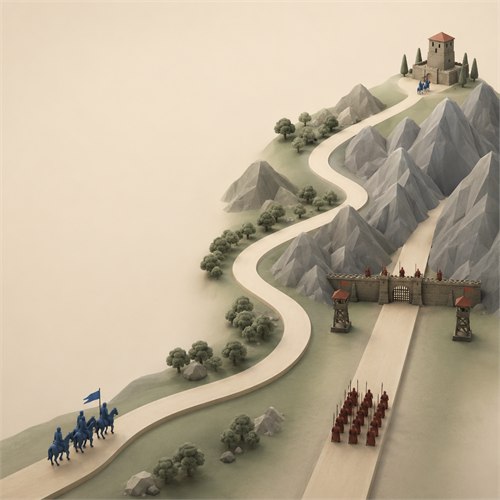
- Ключевая идея: Превращай обходной путь в прямой; превращай беду в выгоду.
- Смысл: Более длинный путь может оказаться быстрейшим стратегическим кратчайшим путём.
- Почему это важно: Когда соперники следят за прямой линией, прямая линия может оказаться не лучшим путём.
- Как применять: Запусти нишевый бренд сначала, если громкий выход на рынок спровоцирует более жёсткий ответ конкурентов.
Объяснение исходного текста
孫子曰:凡用兵之法,將受命于君,Сунь-цзы говорит, что в войне генерал получает командование от правителя.合軍聚眾,交和而舍,莫難于軍爭。Он собирает армию, объединяет войско и устраивает лагерь.軍爭之難者,以迂為直,以患為利。Нет ничего сложнее маневрирования. Его трудность заключается в превращении обходного пути в прямой и превращении трудностей в преимущества.故迂其途,而誘之以利,後人發,先人至,此知迂直之計者也。Идите обходной дорогой, соблазните врага выгодой, двигайтесь за ним и приходите раньше него: это и есть понимание того, как превратить обход в прямой путь.故軍爭為利,軍爭為危。Так маневрирование может принести выгоду, но оно также таит опасность.舉軍而爭利,則不及﹔委軍而爭利,則輜重捐。Идите всей армией, чтобы захватить проход, и вы можете опоздать; уменьшите силы до гонки за ним — и можете потерять обоз и запасы.是故卷甲而趨,日夜不處,倍道兼行,百里而爭利,則擒三將軍,Если форсировать марш днем и ночью на сто ли, чтобы схватить преимущество, ваши полевые командиры могут быть захвачены.勁者先,疲者後,其法十一而至﹔Сильные продвинутся вперед, изможденные отстанут, и лишь малая часть достигнет цели.五十里而爭利,則蹶上將軍,其法半至﹔Поспешите на пятьдесят ли за преимуществом — и можете потерять ведущего командира, при этом лишь половина войск прибудет.三十里而爭利,則三分之二至。Поспешите на тридцать ли за преимуществом — и, возможно, прибудет две трети войск.是故軍無輜重則亡,無糧食則亡,無委積則亡。Армия без обоза, продовольствия и накопленных запасов обречена.故不知諸侯之謀者,不能豫交﹔Вы не сможете формировать союзы с соседними державами, если не понимаете их намерений.不知山林、險阻、沮澤之形者,不能行軍﹔Вы не можете вести армию, если не знаете гор, лесов, опасных перевалов, болот и трясин.不用鄉導者,不能得地利。Без местных проводников вы не сможете по-настоящему воспользоваться преимуществами местности.
Положение 7.2
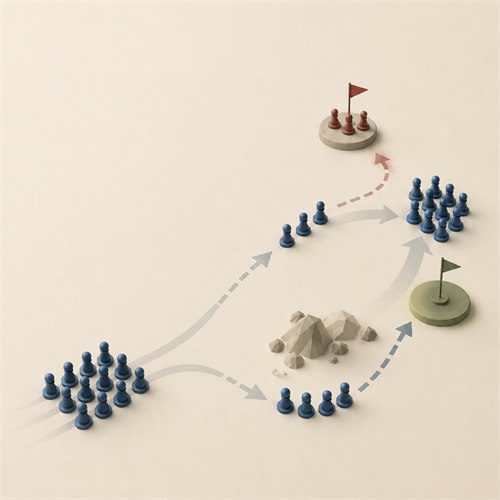
- Ключевая идея: Войско утверждается обманом, движется выгодой и меняется через рассредоточение и сосредоточение.
- Смысл: Управляй тем, как ты выглядишь, стимулами и концентрацией сил.
- Почему это важно: Стратегия заключается в том, как ты себя подаёшь, куда наносишь удар и когда перегруппировываешься.
- Как применять: Исследуй несколько направлений параллельно, а затем быстро объедини команду, когда победившее направление станет ясным.
Объяснение исходного текста
故兵以詐立,以利動,Армия стоит благодаря обману и двигается ради выгоды.以分和為變者也。Делится она или объединяется в зависимости от изменяющихся условий.故其疾如風,其徐如林。Будь быстр как ветер и упорядочен как лес.侵掠如火,不動如山,При налете гори как огонь; при удержании позиции стой как гора.難知如陰,動如雷震Пусть твоя скрытность будет как ночь, а когда ты движешься — обрушивайся как гром.掠鄉分眾,廓地分守。Захватывая припасы в деревне, дели добычу; занимая новую территорию, разделяй ее на охраняемые участки.懸權而動。Взвешивай дела тщательно, прежде чем действовать.先知迂直之計者勝,此軍爭之法也Тот, кто первым поймет, как превратить обход в прямой путь, выигрывает; таков закон маневра.軍政曰:「言不相聞,故為金鼓;視而不見,故為旌旗。」Военные писания говорят, что устные приказы не доносятся достаточно далеко на поле боя, поэтому используются барабаны и гонги; глаза не видят достаточно далеко, поэтому используются знамёна и флаги.夫金鼓旌旗者,所以一人之耳目也;Эти барабаны, гонги, знамёна и флаги собирают уши и глаза армии в одной точке.人既專一,則勇者不得獨進,怯者不得獨退,此用眾之法也。Как только войско объединено, храбрые не могут устремиться в одиночку, а робкие не могут ускользнуть в одиночку. Так управляют большими силами.故夜戰多火鼓,晝戰多旌旗,所以變人之耳目也。Поэтому ночью полагайся больше на костры и барабаны, а днем — на флаги и знамёна, чтобы направлять, что армия слышит и видит.
Положение 7.3

- Ключевая идея: Быстрый, как ветер, мягкий, как лес, неистовый, как огонь, неподвижный, как гора.
- Смысл: Двигайся в соответствии с моментом — быстро, когда нужна скорость, и неподвижно, когда нужен покой.
- Почему это важно: Мастера знают, когда двигаться быстро, а когда сохранять построение.
- Как применять: Реализуй кампании быстро, но не меняй основную стратегию каждую неделю.
Объяснение исходного текста
故三軍可奪氣,將軍可奪心。Боевой дух армии может быть снижен, а разум командира поколеблен.是故朝氣銳,晝氣惰,暮氣歸。На рассвете дух острый, к полудню он ослабевает, а к вечеру тянется к возвращению.故善用兵者,避其銳氣,擊其惰歸,此治氣者也。Хороший командир избегает врага, когда дух бодр, и наносит удар, когда он ослаблен и тянется домой. Вот как управляется мораль.以治待亂,以靜待嘩,此治心者也。Встречайте беспорядок порядком, а шум — спокойствием. Вот как управляется разум.以近待遠,以佚待勞,以飽待飢,此治力者也。Будьте рядом, пока враг далек, отдохнувшими, пока он трудится, и сытыми, пока он голоден. Вот как управляется сила.無邀正正之旗,無擊堂堂之陣,此治變者也。Не перехватывайте врага с идеально выстроенными знаменами и не атакуйте силы, стоящие в спокойной уверенности. Вот как управляются обстоятельства.故用兵之法,高陵勿向,背丘勿逆,Не наступайте на врага в гору и не противьтесь ему, когда он спускается с горы.佯北勿從,銳卒勿攻,Не гонитесь за отступлением, которое только притворное, и не атакуйте войска с по-прежнему острым настроением.餌兵勿食,歸師勿遏,Не клюйте на наживку и не блокируйте армию, возвращающуюся домой.圍師遺闕,窮寇勿迫,。Когда вы окружаете армию, оставляйте выход. Не давите слишком сильно на отчаянного врага.此用兵之法也Это рабочие правила войны.
